



Unlock the Power of Ownership
What Do I Need To Buy A New Home?
Rockhaven Homes Frequently Asked Questions
Buying a new home in Metro Atlanta comes with a lot of questions, from financing and location to what to expect with new construction. This FAQ covers some of the most common questions buyers ask when exploring Rockhaven Homes communities across the Atlanta area.
First-Time Homebuyers
Less than most people think. With FHA financing, you can put as little as 3.5% down, which is around $12,000 on a $350K home. Rockhaven Homes also offers closing cost contributions when you use a preferred lender, which can reduce what you need at closing even further. Getting pre-approved is the best first step to know your real numbers.
You do NOT need a 750 credit score to buy a home.
Depending on the loan program, many first-time buyers qualify with credit scores in the mid-600s. Lenders also look at how much money you make, what bills you already have, and your overall financial situation when deciding whether to approve a loan. For most lenders, it’s about proving you’re both willing and able to repay the mortgage more so than proving you’ve never made a mistake or had to recover from a hardship.
When buying a new home, you’re often saved from many of the add-on expenses you need to buy a second-hand home. This is because home builders like Rockhaven Homes usually provide some kind of buyer incentives that translate into reduced (or even zero) closing costs.
When buying a home, the usual components of upfront money needed outside of the down payment are:
Earnest money – accompanies offers to buy to show legitimate interest and is applied to the purchase price of the home once you close on the purchase.
Upfront Credit Report and Appraisal Fee – These are sometimes rolled into your overall lender package and closing costs. But these are usually low fees compared to the money spent on the home itself.
Prepaid Interest – Mortgages are paid in arrears, and as such, when you close on a home in the middle of the month, the bank wants you to prepay the interest to get to a clean start at the 1st of the following month. The good news is, there’s no first payment due on the home itself until next month. As an example, If you close on April 15th, you would prepay interest for the end of April, then your first full payment would be due on June 1, not May 1.
Prepaid taxes and insurance – Your bank will want you to arrive at closing with a homeowner’s insurance policy prepaid for the next 12 months. In addition to this, they will also collect 2 months’ worth of insurance and property taxes to add to your escrow account (more on this later). This gives the bank a buffer to pay your next property tax bill on your behalf and to pay your next insurance renewal on your behalf, even if you’ve accidentally missed a payment on the home.
Title Fees, Attorney Fees, and documentation fees – The closing attorney (or title company, depending on what state you’re in) will have miscellaneous fees for their services as well. These vary by state, but you’re usually looking at a few hundred to another thousand dollars, depending on the price of your home and who’s agreed to pay for these items (you or the seller).
It can seem overwhelming in the beginning, but again, this is an advantage of buying a new home and using the builder’s preferred lender. Since these fees have been pre-negotiated for most of the items, the builder will often agree to pay for the closing costs and contribute to your prepaids where possible or legal. Some loan programs will require you to pay some things on your own. So ask a loan officer to give you an idea of what these fees look like for your dream home. They can even give you a “Good Faith Estimate” based on a proposed purchase amount, so you have a solid idea before you even tour a home as to what it will cost.
Most first-time buyers are surprised to learn that a mortgage payment includes more than just the amount borrowed for the home.
Most monthly mortgage payments include:
Principal
The amount you’re paying back on the loan itself.
Interest
The amount the lender charges you for borrowing the money.
Property Taxes
Taxes assessed by your local government.
Homeowners Insurance
Insurance that protects your home against covered losses.
Mortgage Insurance
Insurance that protects the lender in case you default on the loan.
These costs are often collected together through an escrow account. In Georgia, escrow helps spread taxes and insurance payments throughout the year so you aren’t hit with large bills all at once.
Buying a home can feel overwhelming at first, but the process is usually more straightforward than people expect.
Once you choose a home, you’ll make an offer on the home through your agent, and provide earnest money, which is a deposit that shows you’re serious about buying the home. From there, you’ll sign a purchase agreement or sales contract along with your agent. Your lender works on final loan approval while the remaining paperwork is completed, usually over the next 30 days for a standing home.
The timeline can vary depending on the home and your financing. If the home is already finished, you may be able to move in within a few weeks.
The number 1 thing you can do on your end to affect this timeline is to get pre-approved for your mortgage. The pre-approval tells the builder or the seller that your offer is strong and only their home needs to meet appraisal requirements for the whole transaction to complete.
There isn’t just one type of mortgage.
FHA Loan
FHA loans are government-backed mortgages with lower down payment requirements (as little as 3.5%) and flexible credit guidelines, making them one of the most popular options for first-time buyers. The tradeoff is mortgage insurance, which adds to your monthly payment. Your lender can compare FHA vs. conventional options so you can choose what’s best for your situation.
Conventional Loan
A traditional mortgage that may offer lower long-term costs for buyers with strong credit and a larger down payment.
USDA Loan
USDA loans offer zero down payment for homes in eligible suburban and rural areas. Many Atlanta-area communities, including parts of Jonesboro, Villa Rica, Dallas, and South Fulton, qualify. Check the USDA eligibility map at USDA.gov or ask your lender if a specific community qualifies.
VA Loan
VA loans are mortgages guaranteed by the U.S. Department of Veterans Affairs. They’re designed to help veterans, active-duty service members, and eligible surviving spouses become homeowners with favorable terms not available through conventional financing.
Purchase Assistance Programs
Many states, like Georgia, offer programs to help first-time home buyers. While these typically don’t cover your entire purchase price, they do come with some lending components and money to offset the initial purchase price. Learn about mortgages and Georgia Dream at the MortgageInGeorgia website.
A lender can help you compare options and determine which loan may be the best fit for your situation.
New construction can be a smart fit for first-time buyers because major systems like the roof, HVAC, plumbing, electrical, and appliances are brand new. With a Rockhaven Home you will have access to builder warranties, preferred lender incentives, and quick move-in homes that simplify the buying timeline.
Many first-time buyers explore new construction in areas like Jonesboro, Stockbridge, Conyers, McDonough, Loganville, Lawrenceville, South Fulton, Ellenwood, East Point, Villa Rica, and Ball Ground, depending on commute, budget, school preferences, and lifestyle.
Buying Your Next Home
Renovating isn’t always the best solution when your current home no longer fits your needs.
New construction homes offer modern floor plans, updated finishes, energy-efficient systems, and fewer immediate maintenance concerns. Buyers also benefit from builder warranties and the peace of mind that comes with having brand-new major systems and appliances.
Price matters, but it shouldn’t be the only factor when choosing where to live.
Things like commute times, nearby schools, shopping, restaurants, parks, and future growth can all play a role in finding the right community. Different areas across Metro Atlanta offer a variety of home styles, price points, and lifestyles.
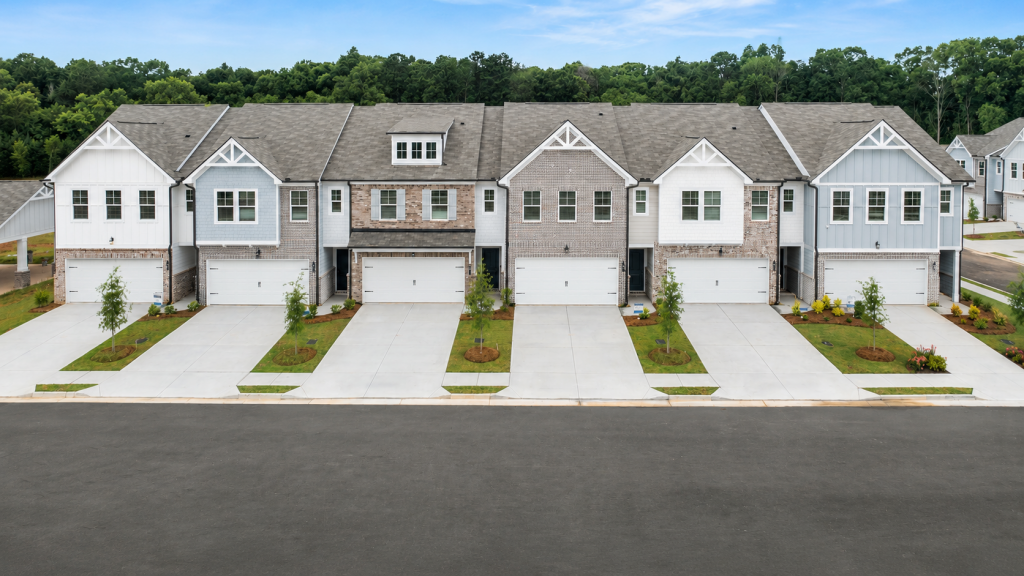
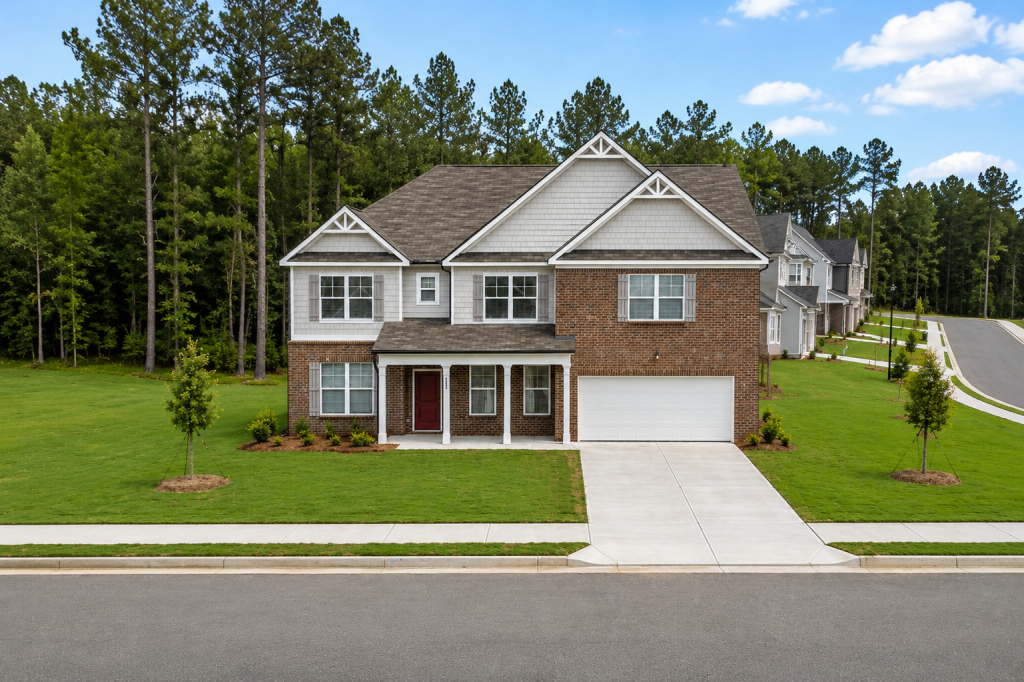
Builders like Rockhaven Homes offer both single-family homes and low-maintenance townhomes across Metro Atlanta, including Atlanta, Stockbridge, McDonough, Loganville, Conyers, Jonesboro, Lawrenceville, Ellenwood, South Fulton, and Villa Rica.
Your priorities often change after you’ve owned a home for a few years.
While first-time buyers are often focused on getting into a home they can afford, buyers purchasing their next home may place more importance on things like storage space, a home office, guest rooms, outdoor living areas, school districts, commute times, and overall community amenities.
It’s also a good time to think about how long you plan to stay in the home and whether the floor plan will continue to meet your needs as your lifestyle changes. Features that may not have seemed important in your first home can make a big difference in your day-to-day life over time.
Financing & Mortgage Basics
Your down payment is only part of the money needed to buy a home.
Closing costs are the fees required to complete the purchase and typically range from about 2% to 5% of the home’s purchase price. These costs can include lender fees, title fees, insurance costs, prepaid taxes, and other expenses related to the closing process.
One of the biggest homebuying myths is that you need 20% down to buy a house.
In reality, many buyers purchase with much less. Depending on the loan program, some buyers may be able to purchase a home with as little as 3.5% down.
Interest rate and APR are often confused, but they measure two different things.
The interest rate is what the lender charges you to borrow money. APR includes the interest rate plus many of the fees and costs that come with getting the loan, giving you a better picture of the total cost of borrowing.
Refinancing simply means replacing your current mortgage with a new loan.
Some homeowners refinance to get a lower interest rate, lower their monthly payment, change the length of their loan, or access equity they’ve built in their home.
Yes. Many homeowners use equity from their current home to help buy their next home.
Equity is the difference between what your home is worth and what you still owe on your mortgage. Depending on your situation, that equity may help with your down payment or reduce the amount you need to borrow.
Not necessarily.
Some homeowners choose to sell first, while others may be able to buy before selling. The best option depends on your finances, how much equity you have, and what loan options are available to you.
There is no set amount of equity required to buy a larger home.
In general, the more equity you have, the more flexibility you may have when it comes to your down payment and monthly payment. A lender can help you understand how your current equity may affect your buying power.
New Construction Homes
Older homes aren’t always the better value.
New construction homes offer modern floor plans, updated features, energy-efficient systems, and brand-new major components like the roof, HVAC system, plumbing, and appliances. Buyers also benefit from builder warranties and fewer unexpected repair costs.
Not every new home requires months of waiting before you can move in.
A move-in ready home is fully completed and ready for closing. The home has passed inspections and is ready for a buyer to move in.
To accommodate buyers on tighter timelines, builders like Rockhaven Homes often have completed homes available for faster move-ins.
Yes. Unlike most resale homes, new construction homes typically include builder warranties after closing.
For example, Rockhaven Homes provides warranty coverage for cosmetic items, mechanical systems, and major structural components, giving buyers added peace of mind and protection after they move in.
Depending on when you purchase, you may still be able to make design selections on a new home.
If construction is still in the early stages, buyers may be able to choose certain finishes, colors, or design features. Available options vary by community and construction stage.
Many people assume new homes cost more than older homes, but that’s not always true.
While the purchase price can vary depending on location and features, older homes often come with repair and replacement costs that buyers may not anticipate. New homes provide updated systems, modern features, and fewer immediate maintenance expenses.
Lifestyle
A townhome can be a great option for buyers looking for a lower-maintenance lifestyle.
In many townhome communities, exterior maintenance, landscaping, and common area upkeep are handled through the HOA. This allows homeowners to spend less time on maintenance and more time enjoying their home and community.
HOA fees often provide more value than buyers realize.
Depending on the community, HOA fees may help pay for landscaping, common area maintenance, exterior upkeep, insurance, and community amenities. Coverage varies by neighborhood.
HOAs do more than enforce community rules.
They help maintain common areas, support curb appeal, manage shared amenities, and work to protect property values throughout the neighborhood.
Today’s buyers are often looking for more than just a home.
Depending on the community, amenities may include swimming pools, playgrounds, walking trails, parks, clubhouses, green spaces, and gathering areas designed for residents to enjoy.
Many people are finding they can get more home for their money throughout Metro Atlanta.
The area offers a wide range of housing options, job opportunities, shopping, dining, entertainment, and access to major highways. Buyers can often find the balance of location, home size, and affordability that works best for their needs.
Footnote: Financing a new construction home involves unique timelines and requirements. Rockhaven Homes maintains partnerships with multiple preferred lenders who specialize in new construction financing, down payment assistance programs, and closing cost structures. Buyers are encouraged to consult directly with an authorized lender to review specific financial qualifications and estimated monthly payments.
Ready to Learn More?
Ready to see what owning could look like for you? Rockhaven Homes builds attainable new homes across the Atlanta metro area, with communities designed for first-time buyers, growing households, and move-up buyers alike. Explore available homes or connect with our team to learn about current incentives, quick move-in opportunities, and financing options.
Join Us on Zoom for Our
Monthly Homebuyer Info Session
Understand the elements of a mortgage, steps to get pre-approved, realtor roles, down payment assistance programs, builder incentives and more.


Have more questions about buying a home?
Dee & Brittney are here to help!
Call 470-645-0125
or send us a question below.